
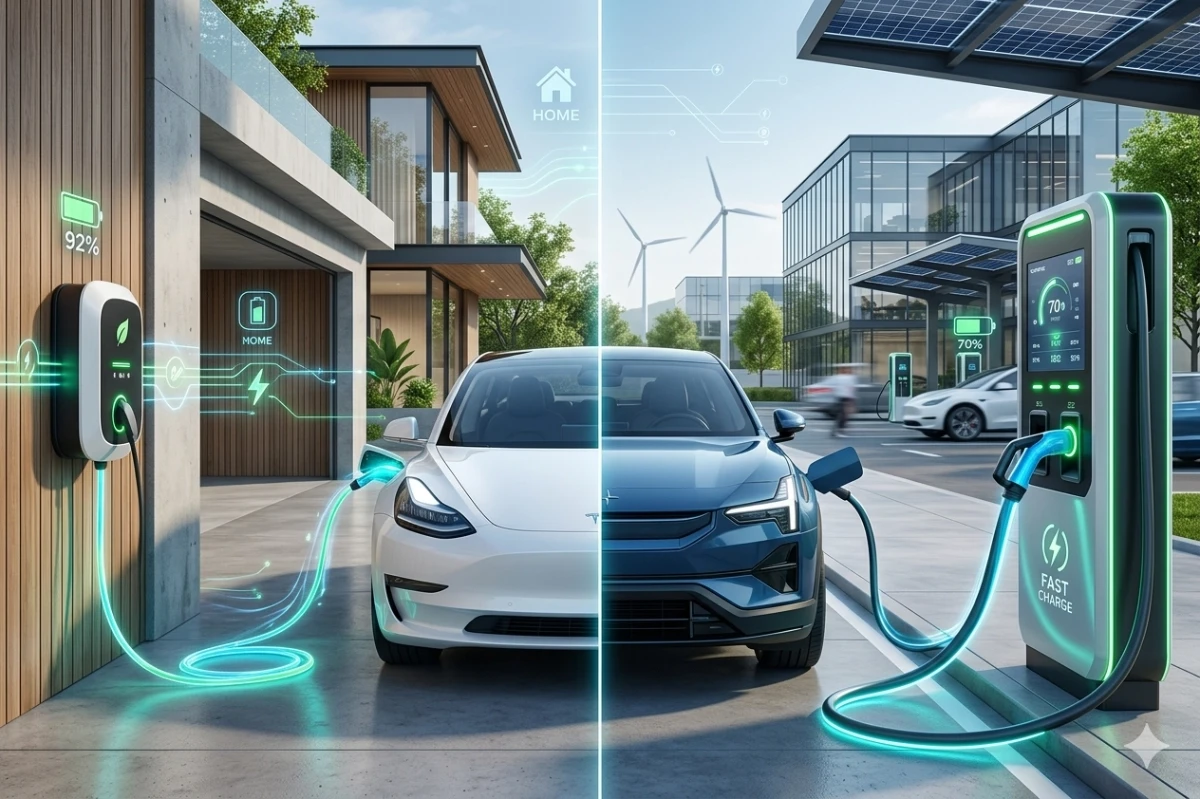
How to Choose the Right EV Charger for Home and Commercial Use
Electric Vehicles (EVs) are rapidly transforming the future of transportation. As more people shift toward clean energy and sustainable living, EV charging technology has become one of the most important parts of the modern automotive ecosystem. From home charging solutions to ultra-fast public charging stations, the industry is evolving faster than ever before.
What is EV Charging?
EV charging is the process of supplying electrical power to recharge electric vehicles. Similar to fueling a traditional car, EV charging restores battery power so the vehicle can operate efficiently. However, unlike petrol or diesel vehicles, EVs rely entirely or partially on electricity, making charging infrastructure essential for everyday use.
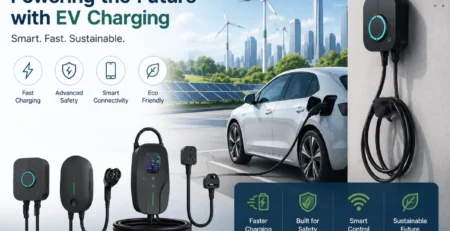
Modern EV chargers are designed to provide:
- Faster charging speeds
- Improved safety
- Smart energy management
- Remote monitoring features
- Enhanced durability for indoor and outdoor use
Types of EV Chargers
1. Level 1 Charging
Level 1 charging uses a standard household power outlet. It is the slowest charging option but convenient for overnight charging at home.
Best for:
- Daily short-distance drivers
- Residential charging
- Plug-in hybrid vehicles
2. Level 2 Charging
Level 2 chargers are the most popular choice for homes, offices, and commercial properties. They charge significantly faster than standard outlets and offer smart charging features.
Benefits include:
- Faster charging times
- Energy-efficient performance
- Smart connectivity
- Reliable daily charging
3. DC Fast Charging
DC fast chargers are designed for public stations and highways where rapid charging is necessary. These chargers can power an EV battery up to 80% in a short period.
Ideal for:
- Long-distance travel
- Commercial fleets
- Public charging infrastructure
Why Smart EV Charging Matters
Smart EV charging technology helps users optimize charging schedules, reduce electricity costs, and improve energy efficiency. Many advanced chargers now include:
- Mobile app connectivity
- Wi-Fi and Bluetooth control
- Real-time charging status
- Energy consumption tracking
- Scheduled charging
- Load balancing
These features make EV ownership more convenient and cost-effective.
Benefits of Installing an EV Charger at Home
Installing a dedicated home EV charger offers multiple advantages:
Convenience
Charge your vehicle overnight and wake up with a fully charged battery every morning.
Faster Charging
Home Level 2 chargers are much faster than standard outlets.
Increased Property Value
Modern EV infrastructure can enhance property appeal and future resale value.
Better Energy Management
Smart chargers help monitor energy usage and optimize electricity consumption.
EV Charging Safety Features
Modern EV chargers are built with advanced safety technologies such as:
- Overcurrent protection
- Surge protection
- Temperature monitoring
- Waterproof and dustproof designs
- Automatic shutdown systems
These safety systems ensure secure and reliable charging in all environments.
The Future of EV Charging Infrastructure
The EV industry is moving toward:
- Ultra-fast charging networks
- Solar-powered charging stations
- Wireless charging systems
- AI-powered smart energy management
- Vehicle-to-grid (V2G) technology
Governments and private companies worldwide are heavily investing in EV infrastructure to support the growing demand for electric mobility.
Choosing the Right EV Charger
When selecting an EV charger, consider:
- Charging speed
- Vehicle compatibility
- Smart features
- Installation requirements
- Safety certifications
- Indoor or outdoor usage
Choosing the right charger ensures better performance, efficiency, and long-term reliability.
Conclusion
EV charging technology is shaping the future of transportation. With smarter systems, faster charging speeds, and sustainable energy integration, EV chargers are becoming an essential part of modern life. Whether for residential, commercial, or public use, investing in reliable EV charging solutions is a major step toward cleaner and more efficient mobility.
As electric vehicles continue to grow in popularity, advanced EV charging solutions will play a critical role in building a smarter and greener future.

Leave a Reply